Inside the Report
This report describes the methods and the results of the Good Life in Kerava Residents’ Panel, the first ever deliberative mini-public that has set out to identify headline indicators to measure how well a particular society or community is doing. Over the course of three evenings, more than 30 randomly-selected residents of the town of Kerava in Finland met, reflected on the meaning of the good life, identified individual and then shared priorities, and discussed and ultimately selected five headline indicators to measure how well the town is doing.
The primary audience for this report is the City of Kerava itself, which has pledged to consider the recommendations made by the Residents’ Panel and act upon them where possible.
However, this report will also be of interest to others (including statistical offices, local and national governments and deliberation practitioners) that are considering developing a set of headline indicators to go beyond GDP.
Key insights
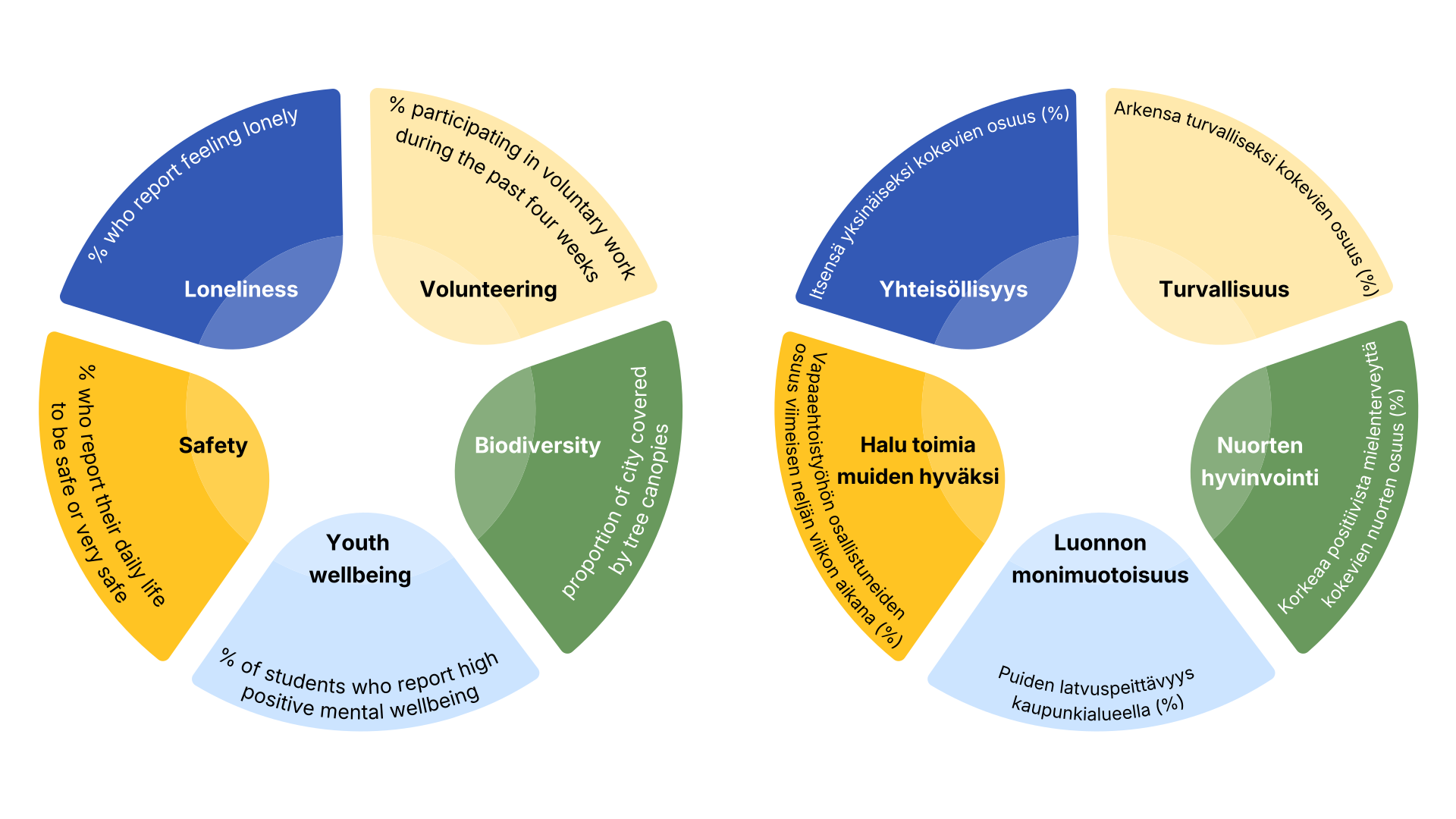
- Safety – % who report their daily life to be safe or very safe
- Loneliness – % who report feeling lonely
- Volunteering – % participating in voluntary work during the past four weeks
- Biodiversity – proportion of the city covered by tree canopies
- Youth wellbeing – % of students who report high positive mental wellbeing
The recommendations will be considered as part of the city’s strategic and wellbeing work and implemented where feasible. To ensure transparency, the City of Kerava has committed to informing panel participants during 2026 about how the recommendations have been considered and how the results of the process will be used.
What is a theme, what is a specific outcome, what is an indicator? Even academics and experts struggle to be consistent with language on this – it’s important to maintain consistency and clarity with a lay audience.
Participants seemed to understand the idea of ultimate ends (e.g. wellbeing or health), but were prone to slip into discussions about measuring means to achieve these ends (for example increasing psychological support for young people). Processes like this need to ensure the distinction is made clearly and upheld.
But more would have been better for us to provide clearer instructions, and to ensure that participants had the chance to reflect more on decisions.
Although plenty of people who belonged to ethnic minorities expressed interest initially, we struggled to ensure actual participation.
Support our work
Hot or Cool Institute produces evidence-based research to inform policy, shift social norms, and promote low-carbon, nature-positive lifestyles. All our work is freely accessible and open source, ensuring that anyone can use our research, tools, and guidance at no cost.
We rely in part on public support to sustain our non-profit activities, expand research, and keep resources freely available. Your contribution helps us reach more people, influence more policies, and accelerate systemic change.
If you share our vision, you can support us here.
Partners