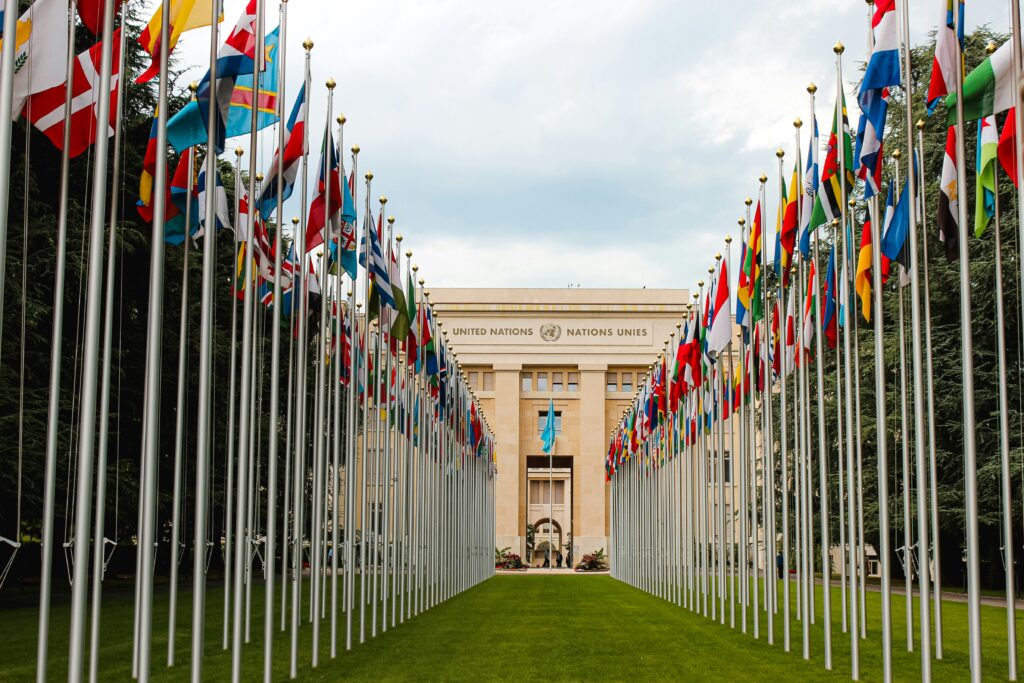
It’s happening. The UN is taking the move beyond GDP seriously. In May, the High Level Expert Group that had been convened by the Secretary General provided recommendations on a set of 31 indicators within a coherent framework. Since then, an Intergovernmental Process (IGP) has been set up, led by Spain, to provide a platform for members states to begin discussions, with the hope that a Draft Resolution will be put to the General Assembly in 2027. It’s possible that the UN could formally declare a Beyond GDP approach that could shape data collection and policies around the world. This is exciting news.
That’s why Hot or Cool responded to the IGP’s consultation this summer asking for inputs to inform member states’ discussions. You can find our full response here, structured to answer the consultation’s questions.
Our main message to the UN? It’s what we’ve been saying over the last three years: citizens need to be involved in the decisions on how to move beyond GDP, particularly when it comes to defining desired societal outcomes such as wellbeing. We’ve demonstrated how that can work, with a randomly selected, but representative, group of citizens (a deliberative mini-public) in the town of Kerava in Finland – the final report on this process came out earlier this month. Our next step will be a similar, but bigger, process in the city of Recife in Brazil. In both cases, the local governments are listening to what their citizens define as wellbeing or a good life, so as to inform their priorities.
A global citizen’s assembly to define the good life for the whole world? It is possible – as has been demonstrated by the Global Citizens’ Assembly on climate change. However, what might be more effective is for the UN’s Beyond GDP process to encourage and support individual member states to conduct national citizen assemblies to select priorities from amongst the UN’s final recommendations.
This relates to our other key message to the UN: Headline indicators are needed to help the public, media and politicians make sense of the likely large dashboard of indicators that will be proposed. As we have argued in previous blogs, the larger the intended audience, the smaller the amount of information that can be expected to be conveyed. We’re happy to see this message in other responses to the consultation, such as that from the EU Horizon Project MERGE.
UN processes are famously byzantine and complex. In a way, they need to be. After all – their conclusions are meant to represent the best solutions for the entirety of the human race. But we believe that it is important that the voices of civil society and organisations and academics who have been working on Beyond GDP over the last decades are heard. This means that those organisations need to have the resources to coordinate together, develop common positions and engage in the processes. The next year or so will be crucial for determining how we define a successful society.